
 English
 Spanish
 French
 German
 Italian
 Chinese (Simplified)
 Japanese
 Korean
 Arabic
 Portuguese
 Request A Quote
 Send Inquiry
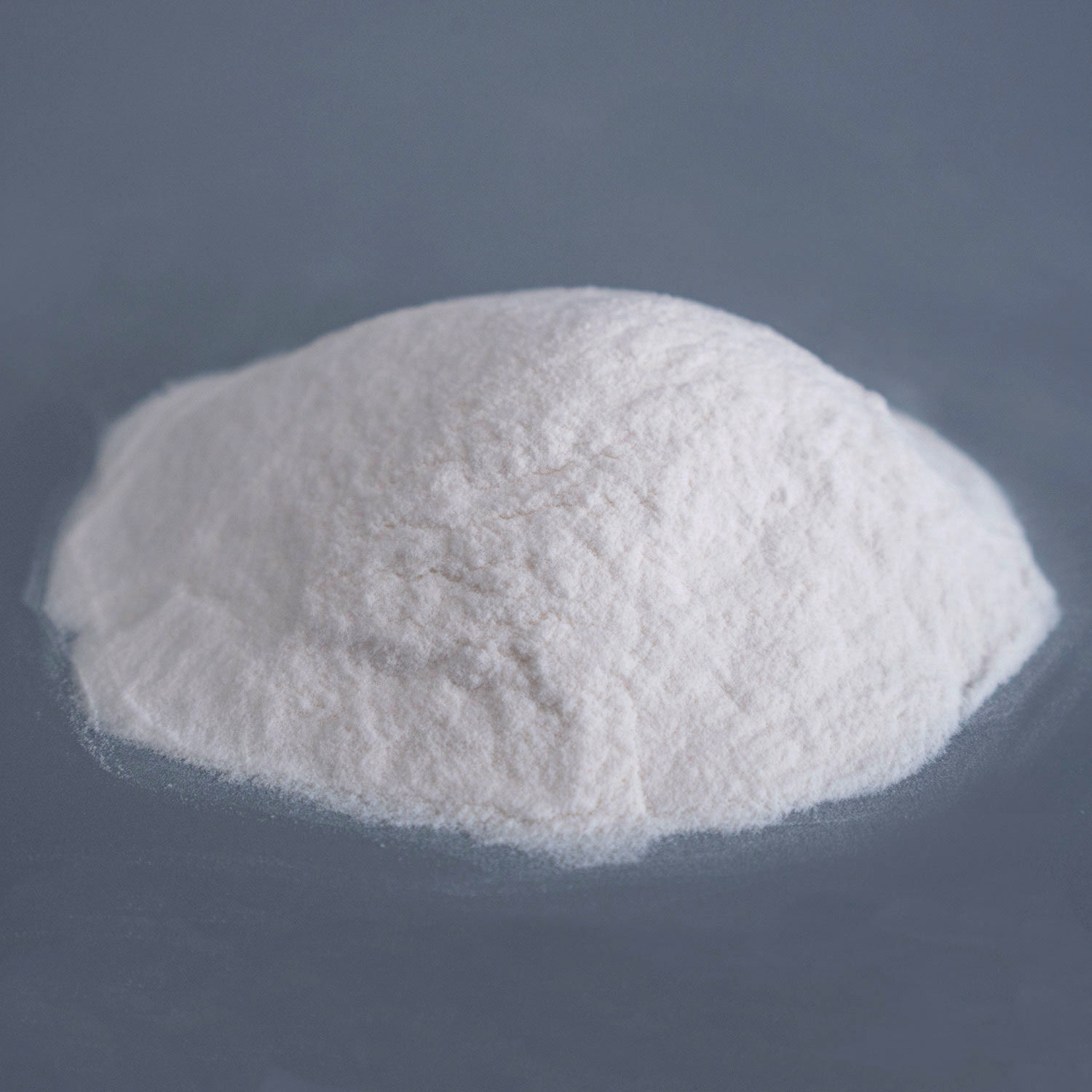
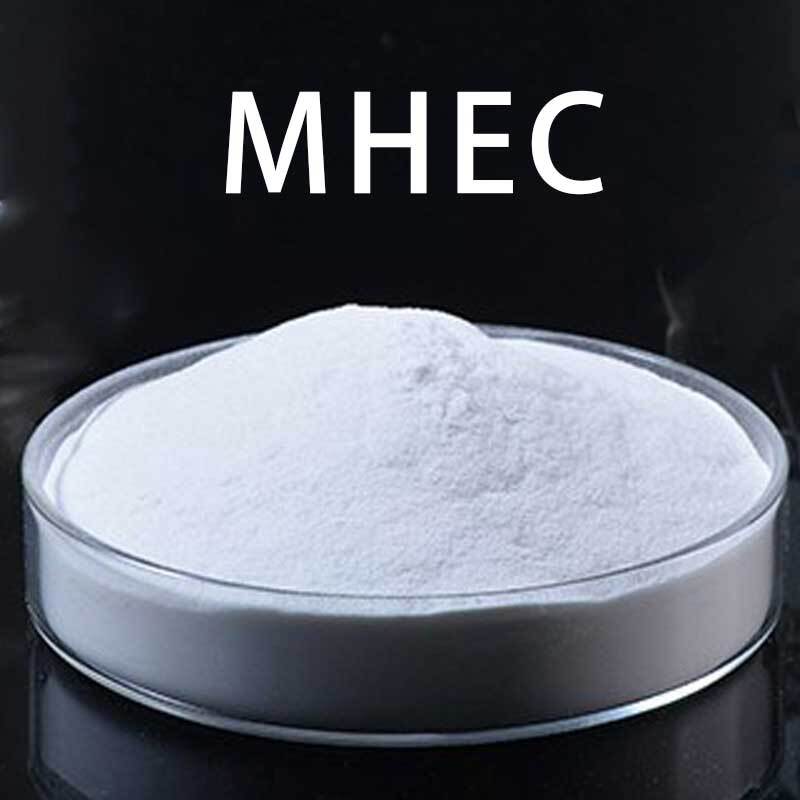
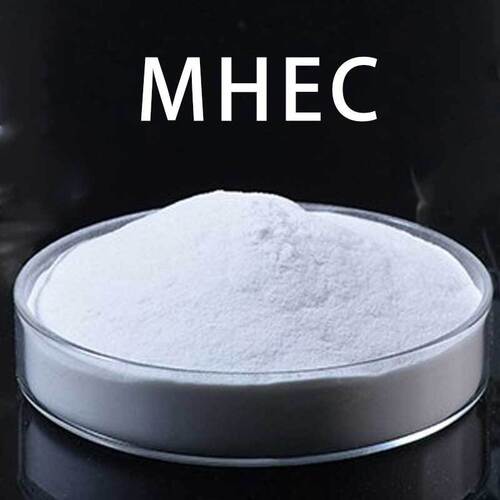
Mhec Methyl Hydroxyethyl Cellulose for paint
Price 1300 USD ($)/ Ton
MOQ : 1 Ton
Mhec Methyl Hydroxyethyl Cellulose for paint Specification
- Storage
- Room Temperature
- Grade
- First Class
- CAS No
- 9032-42-2
- Ingredients
- Purified cotton
- Product Type
- cellulose
- HS Code
- 39123900
- Ph Level
- 4.0-8.0
- Application
- Industrial
- Poisonous
- NO
- Purity
- High
Mhec Methyl Hydroxyethyl Cellulose for paint Trade Information
- Minimum Order Quantity
- 1 Ton
- Supply Ability
- 35000 Tons Per Year
- Delivery Time
- 10 Days
About Mhec Methyl Hydroxyethyl Cellulose for paint
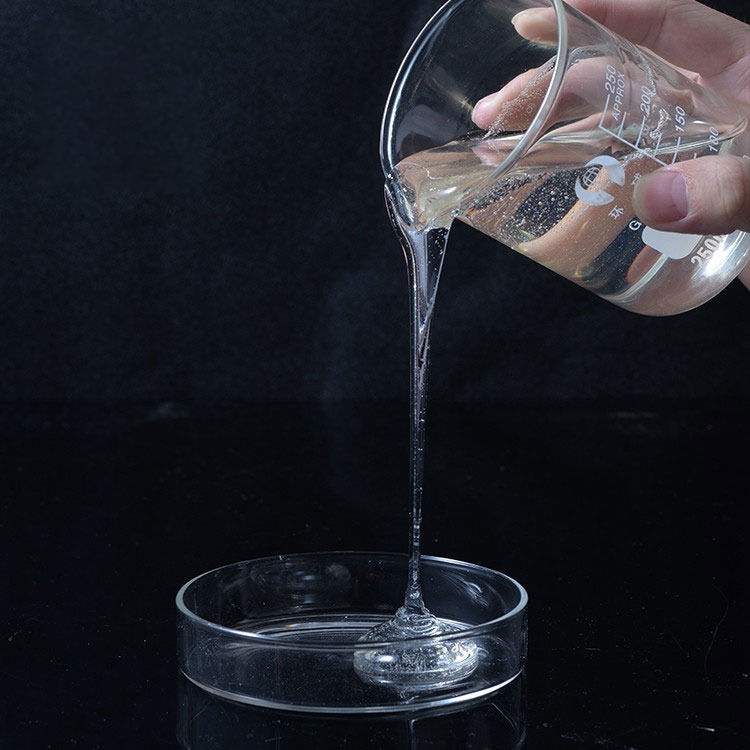
Methyl Hydroxyethyl Cellulose (MHEC) is a non-ionic methyl cellulose ether known for its exceptional solubility in both hot and cold water. Its versatile properties, including thickening, suspending, dispersing, bonding, emulsifying, film-forming, and water retention, make it widely applicable. Compared to other cellulose ethers, MHEC derivatives exhibit a slight Newtonian flow behavior and offer relatively high shear viscosity.
What sets MHEC apart from Hydroxypropyl Methyl Cellulose (HPMC) is its superior water retention, viscosity stability, resistance to mildew, and excellent dispersibility. MHEC excels in preventing material slumping or sagging during application, thanks to its enhanced anti-sagging effects. It also provides a prolonged open time, allowing for greater flexibility in workability and adjustments. Additionally, MHEC demonstrates high early strength and performs well under high-temperature conditions. Its easy mixing and operational simplicity when added to dry mix mortars streamline the overall application process.
MHEC emerges as a valuable cellulose derivative, delivering outstanding performance and ease of use across various applications, especially in dry mix mortars. Its noteworthy properties, including water retention, viscosity stability, anti-sagging effects, and high early strength, contribute to enhanced performance and improved workability in construction and other industries.
Superior Thickening and Binding Solution
Mhec Methyl Hydroxyethyl Cellulose is widely valued in the paint industry for its excellent thickening, binding, and film-forming properties. Sourced from purified cotton, this cellulose ether ensures consistency and viscosity adjusted to demanding industrial standards.
High Purity and Safe Handling
This product boasts a high purity level, delivering reliable performance in a range of paint applications. Non-toxic and classified as non-poisonous, MHEC is safe and environmentally friendly, making it ideal for large-scale and frequent use in production environments.
Reliable Supply from China's Industry Leaders
As a major distributor, exporter, manufacturer, supplier, and trader based in China, we guarantee a dependable supply of Mhec Methyl Hydroxyethyl Cellulose, meeting global quality benchmarks and regulatory requirements to support your business needs.
FAQ's of Mhec Methyl Hydroxyethyl Cellulose for paint:
Q: How is Mhec Methyl Hydroxyethyl Cellulose used in paint production?
A: Mhec Methyl Hydroxyethyl Cellulose is incorporated into paint formulations to improve viscosity, water retention, and application consistency. Simply disperse it into water, then blend with other paint components for optimal thickening and performance.Q: What are the primary benefits of using this product in industrial paint applications?
A: Key benefits include enhanced paint viscosity, superior thickening, improved film formation, and better suspension of pigments. It also prevents sagging and dripping, ensuring smooth application and longer open time for professional results.Q: When should Mhec Methyl Hydroxyethyl Cellulose be added during paint formulation?
A: For best results, MHEC should be dissolved in water prior to the addition of pigments and other ingredients in the manufacturing process. This ensures uniform dispersion and optimal effect in the final paint.Q: Where can your company supply Mhec Methyl Hydroxyethyl Cellulose?
A: As a leading distributor, exporter, and manufacturer in China, we supply Mhec Methyl Hydroxyethyl Cellulose globally to clients in various industrial paint and coatings markets.Q: What is the recommended storage condition for this product?
A: Mhec Methyl Hydroxyethyl Cellulose should be stored at room temperature, in a cool, dry place, and protected from moisture to maintain its quality and effectiveness over time.Q: Is this product safe for use, and what is its toxicity level?
A: Yes, Mhec Methyl Hydroxyethyl Cellulose is non-poisonous and considered safe for industrial use. It poses no significant health hazards when handled according to standard safety protocols.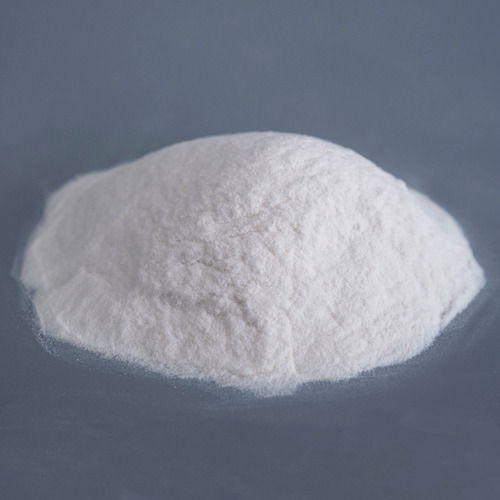
Tell us about your requirement

Price:
Quantity
Select Unit
- 50
- 100
- 200
- 250
- 500
- 1000+
Additional detail
Mobile number
Email

More Products in Methyl Hydroxy Ethyl Cellulose Category
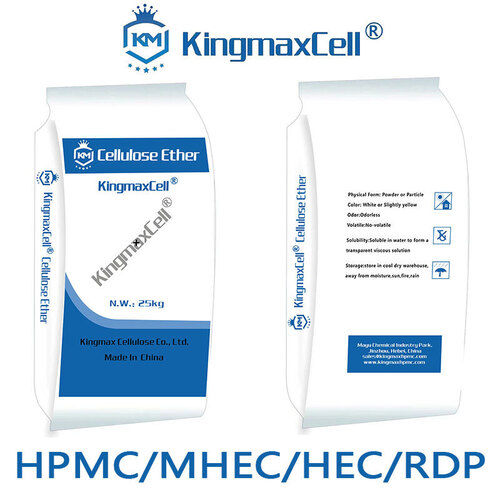
Mhec Factory as Joint Cements Plaster Caulking Compound Hydroxyethyl Methylcellulose
Price 1300 USD ($) / Ton
Minimum Order Quantity : 1ton Ton
HS Code : 39123900
Storage : Room Temperature
Grade : First Class
CAS No : 9032422

Chemical Mhec Methyl Hydroxyethyl Cellulose agent
Price 1300 USD ($) / Ton
Minimum Order Quantity : 1ton Ton
HS Code : 39123900
Storage : Room Temperature
Grade : First Class
CAS No : 9032422
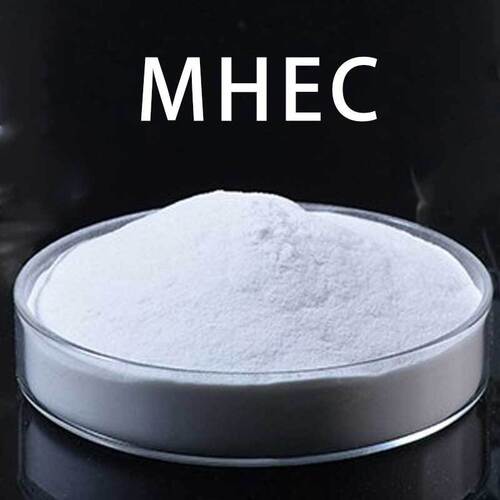
Methyl Hydroxyethyl Cellulose
Price 1300 USD ($) / Ton
Minimum Order Quantity : 1ton Ton
HS Code : 39123900
Storage : Room Temperature
Grade : First Class
CAS No : 9032422
Chemical Raw Material Mhec Used for Skim Coat Methyl Hydroxyethyl Cellulose for Putty
Price 1300 USD ($) / Ton
Minimum Order Quantity : 1ton Ton
HS Code : 39123900
Storage : Room Temperature
Grade : First Class
CAS No : 9032422

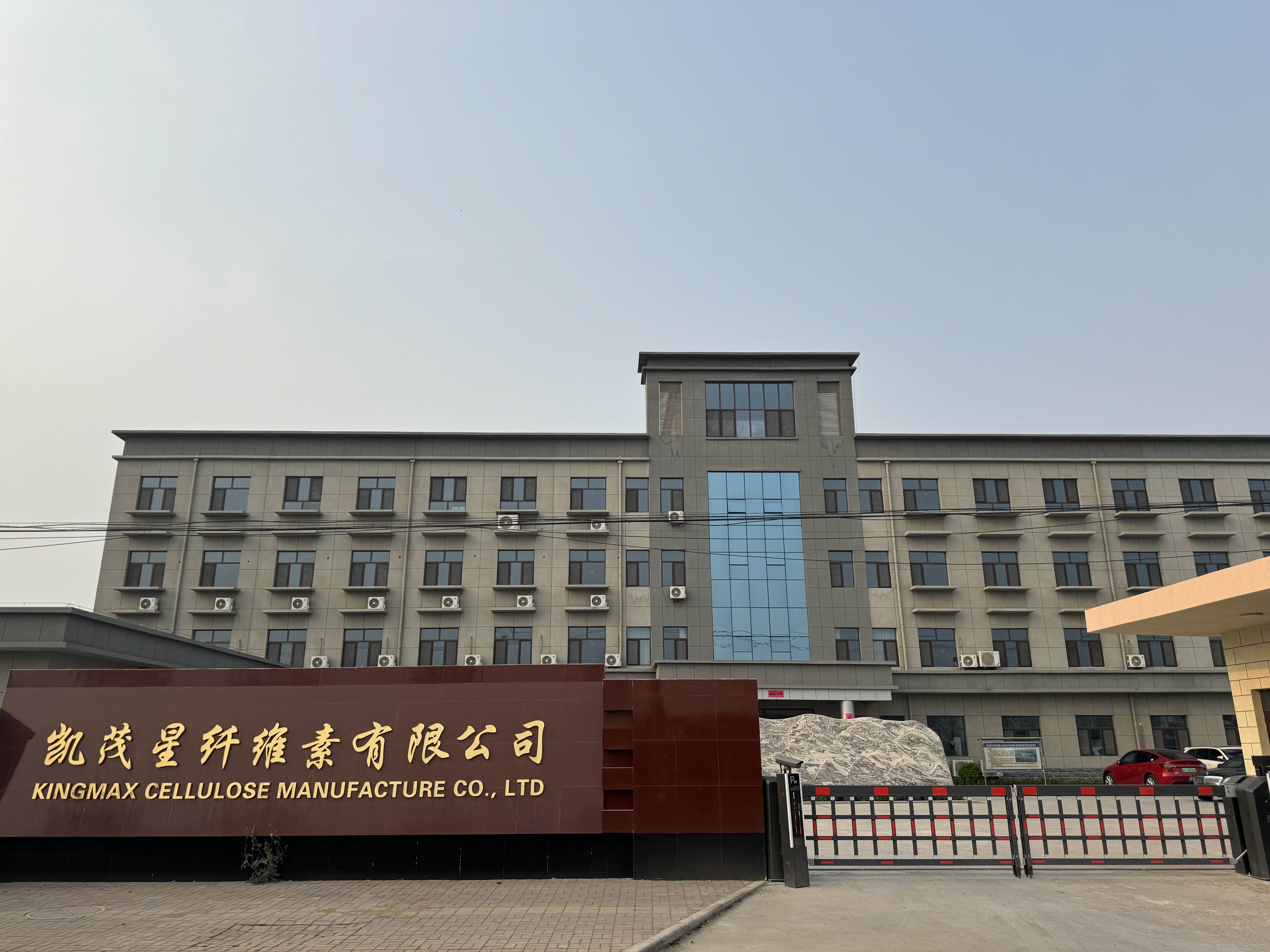
KINGMAX CELLULOSE CO.,LTD
Contact Details
- B-1513, Hebei Internet Building, 86 Xisanzhuang Street Xinhua District,Shijiazhuang - 035512, Hebei, China
- Phone :86-311-87779906
- Mr Jeson Shao (Export Manager)
- Mobile :+8615613307831, +8615613308731, +8618631151166
- Send Inquiry
 Send Inquiry
 Send Inquiry
KINGMAX CELLULOSE CO.,LTD
All Rights Reserved.(Terms of Use)
Developed and Managed by Infocom Network Private Limited.
Developed and Managed by Infocom Network Private Limited.
