
 English
 Spanish
 French
 German
 Italian
 Chinese (Simplified)
 Japanese
 Korean
 Arabic
 Portuguese
 Request A Quote
 Send Inquiry
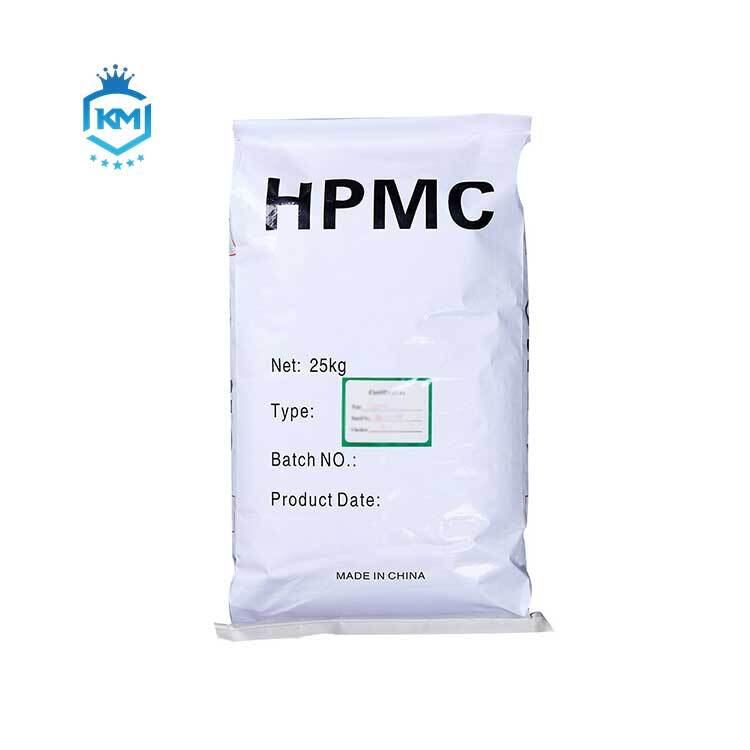
Chemicals HPMC Used in Glue Hmpc Thickener for Paint Melt Adhesive HPMC Chemical Auxiliary Agents
Price 1300 USD ($)/ Ton
MOQ : 1 Ton
Chemicals HPMC Used in Glue Hmpc Thickener for Paint Melt Adhesive HPMC Chemical Auxiliary Agents Specification
- Grade
- First Class
- Shelf Life
- 24 Months
- Ph Level
- 4.0-8.0
- CAS No
- 9004-65-3
- Poisonous
- NO
- HS Code
- 39123900
- Purity
- High
- Physical Form
- Powder
- Ingredients
- Purified cotton
- Application
- Industrial
- Storage
- Room Temperature
- Product Type
- cellulose
Chemicals HPMC Used in Glue Hmpc Thickener for Paint Melt Adhesive HPMC Chemical Auxiliary Agents Trade Information
- Minimum Order Quantity
- 1 Ton
- Supply Ability
- 35000 Tons Per Year
- Delivery Time
- 10 Days
- Main Domestic Market
- All India
About Chemicals HPMC Used in Glue Hmpc Thickener for Paint Melt Adhesive HPMC Chemical Auxiliary Agents
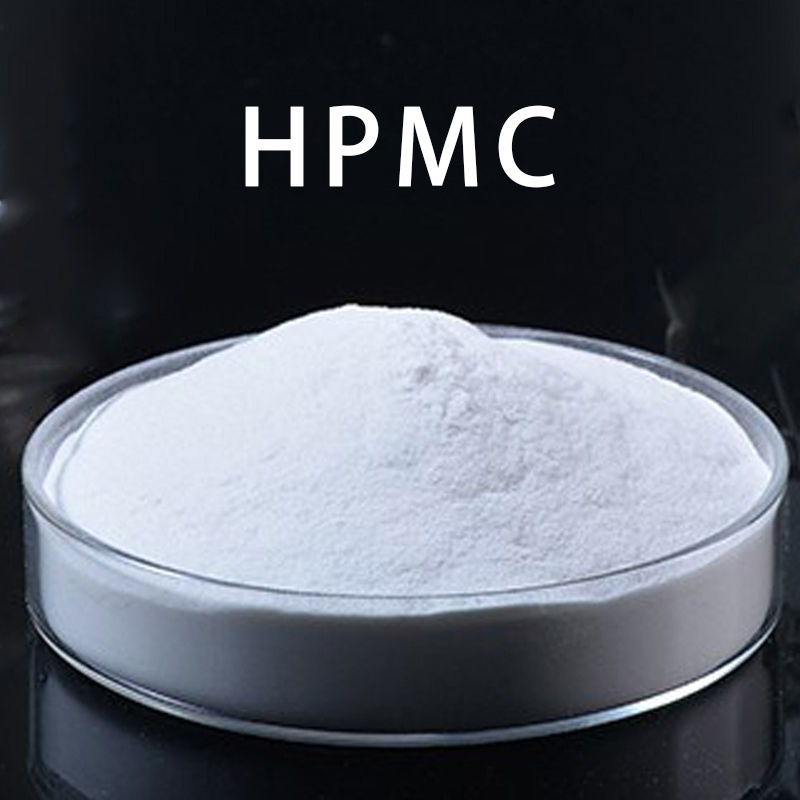
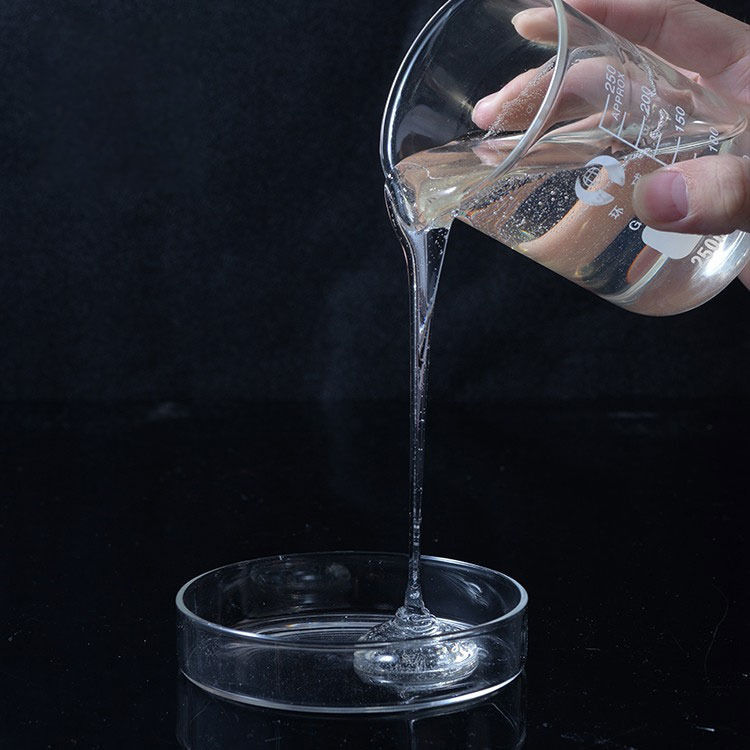
Also known as hypromellose, is a versatile and widely-used non-ionic cellulose ether that is derived from natural polymers such as refined cotton or wood pulp through a series of chemical processes. HPMC is a methyl cellulose ether derivatives polymer and exists as an odorless, non-toxic, and tasteless white powder. It can dissolve in hot and cold water to form a transparent viscous solution which has a range of properties that make it highly desirable for use in a variety of applications. HPMC has excellent thickening, binding, dispersing, emulsifying, film-forming, suspending, adsorbing, gelling, surface-active, water retention, and protecting colloid properties. It is widely used in different industries such as construction, pharmaceuticals, food, PVC, ceramics, and personal/home care products. In the construction industry, HPMC is frequently utilized as a thickener for costing, tile adhesives, water-based paints, wall putty, thermal insulation costing series. In addition, it is employed as a pharmaceutical excipient and food ingredient, as well as in the production of PVC, ceramics, and detergents. Textiles, personal care products, and home care products also commonly contain HPMC as an ingredient.Exceptional Thickening Ability
HPMC serves as a reliable thickener, enhancing the viscosity and stability of glue, paint, and melt adhesives. Its high purity ensures consistency and quality in industrial applications, making it a preferred choice for manufacturers seeking dependable performance in their formulations.
Safe and Versatile Usage
Being non-poisonous and formulated from purified cotton, HPMC offers safety and versatility across varied industrial applications. It supports a broad pH level, rendering it suitable for many formulations without compromising product safety or user handling.
FAQ's of Chemicals HPMC Used in Glue Hmpc Thickener for Paint Melt Adhesive HPMC Chemical Auxiliary Agents:
Q: How should HPMC be stored to maintain its quality?
A: HPMC should be stored at room temperature in a dry environment and away from direct sunlight. This ensures its physical and chemical stability throughout its 24-month shelf life.Q: What is the primary benefit of using HPMC as a thickener in glue and paint?
A: The main advantage is its ability to enhance viscosity and improve application consistency. HPMC stabilizes the formulation, preventing separation and ensuring an even texture.Q: When is HPMC typically added during the glue or paint manufacturing process?
A: HPMC is usually incorporated during the blending or mixing phase after primary solvents and before final additives are introduced, ensuring uniform dispersion within the formulation.Q: Where is this HPMC manufactured and supplied from?
A: This HPMC is produced in China and is available for distribution, export, and supply to industrial clients globally.Q: What makes this HPMC suitable for industrial applications?
A: Its first-class grade, high purity, broad pH stability (4.0-8.0), and non-poisonous, powder form make it an optimal choice for diverse industrial uses, including glue, paint, and melt adhesive production.Q: How is HPMC used in the manufacture of melt adhesives?
A: HPMC is mixed into melt adhesive formulations as a thickener to achieve desired viscosity and bonding characteristics, resulting in improved adhesive performance and handling.Q: What safety considerations are needed when handling HPMC?
A: HPMC is non-poisonous and safe for industrial use; however, standard workplace safety practices, such as avoiding dust inhalation and direct contact with eyes, are recommended.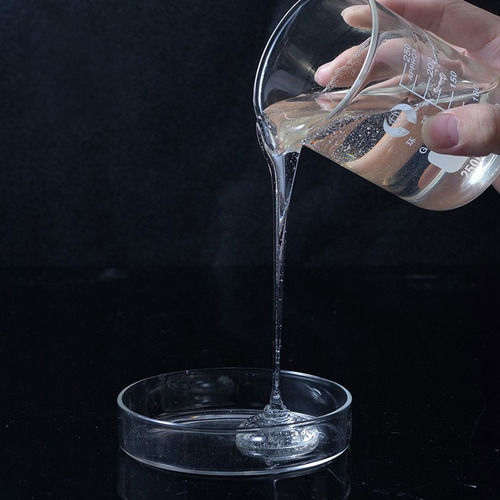
Tell us about your requirement

Price:
Quantity
Select Unit
- 50
- 100
- 200
- 250
- 500
- 1000+
Additional detail
Mobile number
Email

More Products in HPMC Category

Chemical Products HPMC of Hydroxypropyl Cellulose for White Cement Admixtures Putty Powder
Price 1300 USD ($) / Ton
Minimum Order Quantity : 1 Ton
Shelf Life : 24 Months
Grade : First Class
Ph Level : 4.08.0
CAS No : 9004653
Construction Chemicals HPMC for Cement
Price 1300 USD ($) / Ton
Minimum Order Quantity : 1 Ton
Shelf Life : 24 Months
Grade : First Class
Ph Level : 4.08.0
CAS No : 9004653
New Construction Chemical Factory Hydroxypropyl Methyl Cellulose HPMC
Price 1300 USD ($) / Ton
Minimum Order Quantity : 1 Ton
Shelf Life : 24 Months
Grade : First Class
Ph Level : 4.08.0
CAS No : 9004653
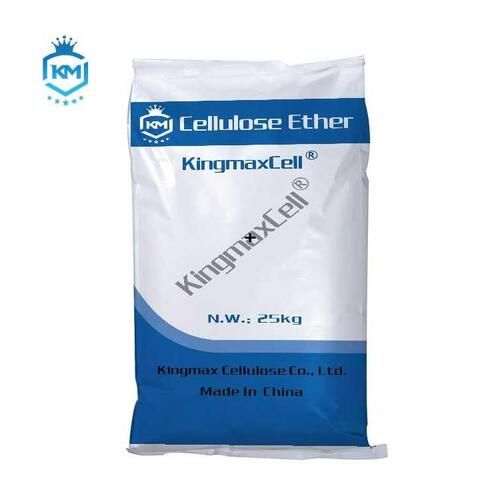
Custom High Quality Chemical Grade 99.8% Purity Cellulose HPMC for Construction
Price 1300 USD ($) / Ton
Minimum Order Quantity : 1 Ton
Shelf Life : 24 Months
Grade : First Class
Ph Level : 4.08.0
CAS No : 9004653

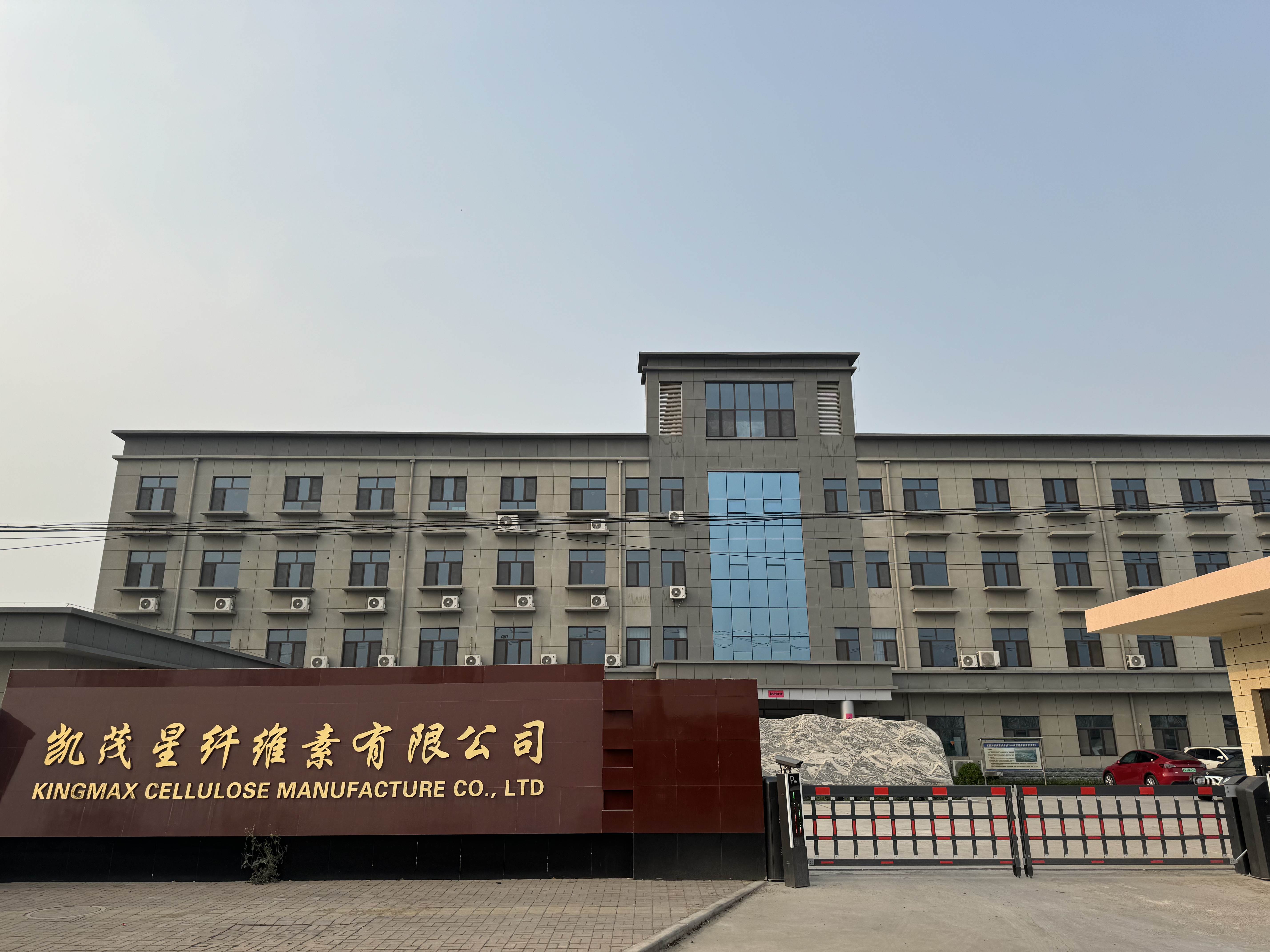
KINGMAX CELLULOSE CO.,LTD
Contact Details
- B-1513, Hebei Internet Building, 86 Xisanzhuang Street Xinhua District,Shijiazhuang - 035512, Hebei, China
- Phone :86-311-87779906
- Mr Jeson Shao (Export Manager)
- Mobile :+8615613307831, +8615613308731, +8618631151166
- Send Inquiry
 Send Inquiry
 Send Inquiry
KINGMAX CELLULOSE CO.,LTD
All Rights Reserved.(Terms of Use)
Developed and Managed by Infocom Network Private Limited.
Developed and Managed by Infocom Network Private Limited.
