
 English
 Spanish
 French
 German
 Italian
 Chinese (Simplified)
 Japanese
 Korean
 Arabic
 Portuguese
 Request A Quote
 Send Inquiry
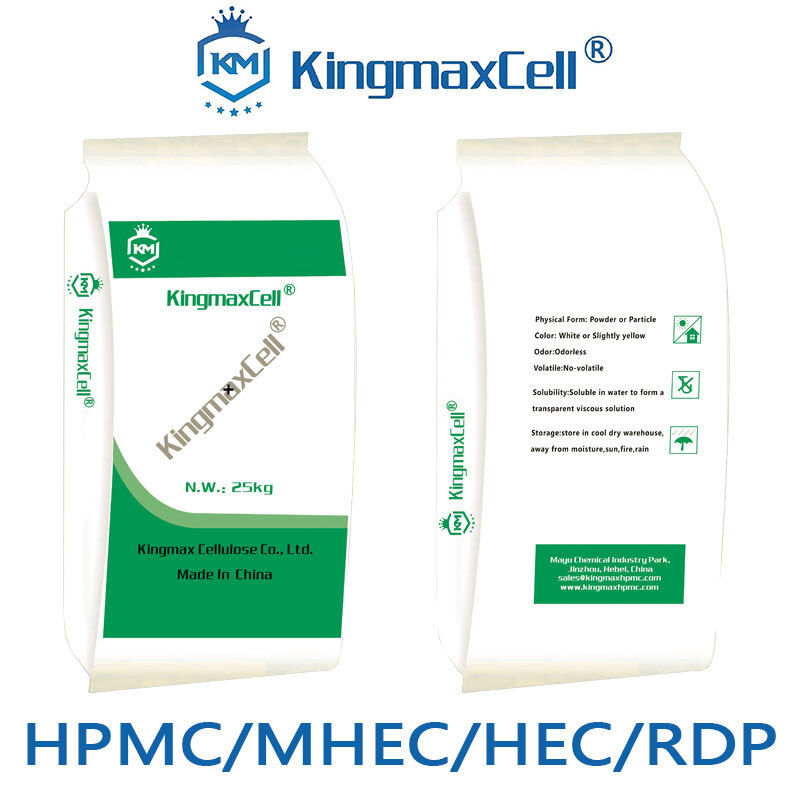
Hydroxyethyl Cellulose (HEC) as Paint Additives
Price 1300 USD ($)/ Ton
MOQ : 1ton Ton
Hydroxyethyl Cellulose (HEC) as Paint Additives Specification
- CAS No
- 9004-62-0
- Grade
- FRIST GRADE
- Appearance
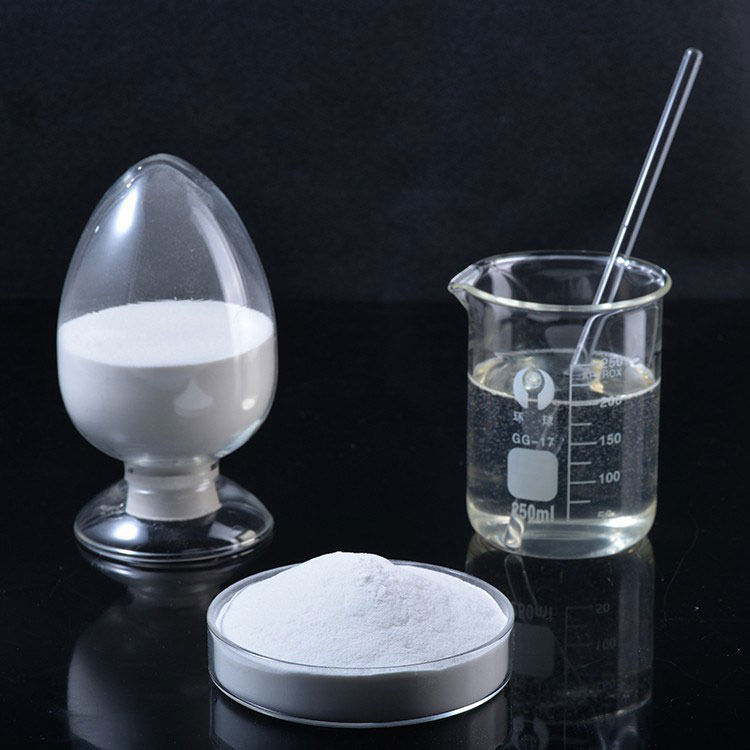
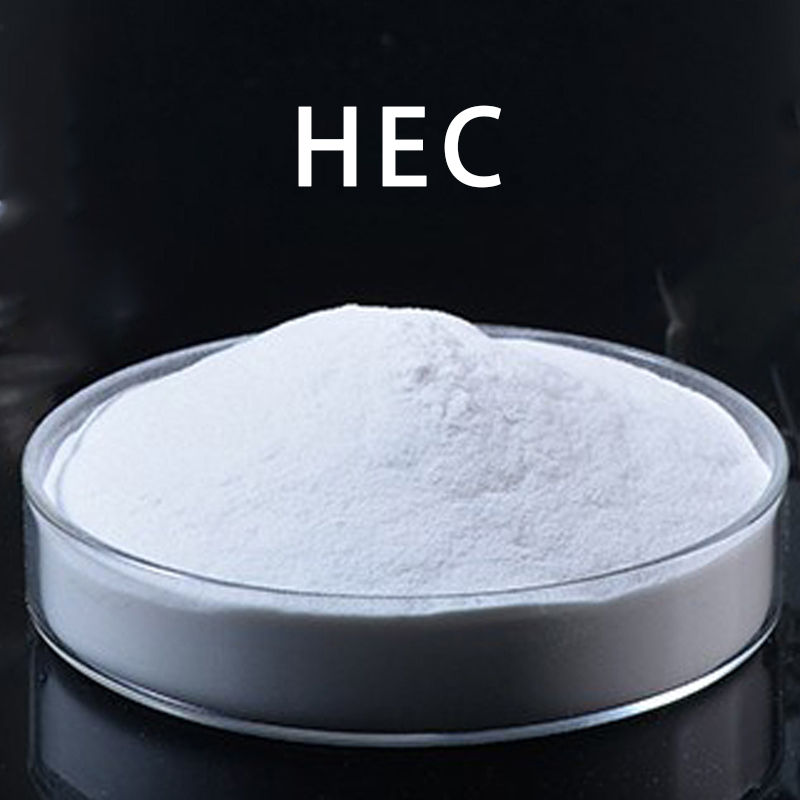
- White powder
Hydroxyethyl Cellulose (HEC) as Paint Additives Trade Information
- Minimum Order Quantity
- 1ton Ton
- Supply Ability
- 35000 Tons Per Year
- Delivery Time
- 10 Days
- Main Domestic Market
- All India
About Hydroxyethyl Cellulose (HEC) as Paint Additives
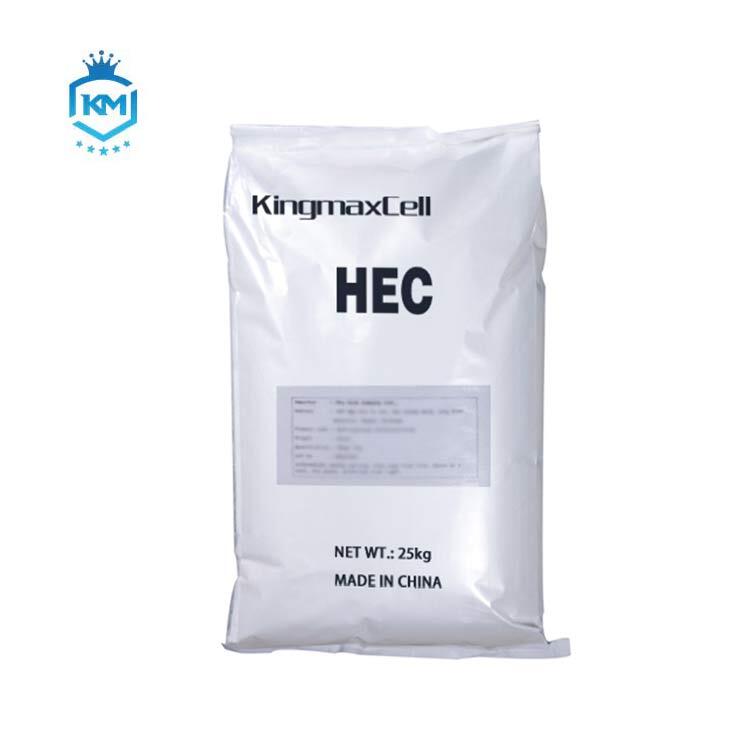
Hydroxyethyl cellulose (HEC) is a non-ionic cellulose ether derived from the introduction of hydroxyethyl into the structure of cellulose through a chemical reaction with ethylene oxide. The degree of substitution (ds) of hydroxyethyl in Hec can vary depending on the desired characteristics of the final product. Hydroxyethyl cellulose (HEC) is a kind of non-ionic water-soluble cellulose ether, used as thickener, protective colloid, water retention agent and rheological modifier, with good water solubility, non-toxic, biodegradable and high compatibility with other components and other ideal properties. It is widely used in a variety of industrial and commercial applications, including personal care products, pharmaceuticals, paints and coatings, building materials, and oil and gas drilling.Enhancing Paint Performance with HEC
Hydroxyethyl Cellulose acts as a superior thickener and stabilizer in paints, improving spreadability and uniformity. Its high purity and consistent quality support excellent suspension of pigments, which is crucial for industrial applications. Suitable for water-based and latex paints, HEC delivers a smooth finish while enhancing storage stability, ensuring the product remains effective up to 24 months.
Stringent Quality and Safety Standards
Produced using purified cotton, Hydroxyethyl Cellulose is classified as non-poisonous and meets first-grade quality standards. It is safe for industrial handling and storage at room temperature. Distributors and suppliers based in China provide reliable sourcing for global needs, backed by strict adherence to purity and quality controls.
FAQ's of Hydroxyethyl Cellulose (HEC) as Paint Additives:
Q: How is Hydroxyethyl Cellulose used as an additive in industrial paints?
A: Hydroxyethyl Cellulose is added to water-based and latex paint formulations to adjust viscosity, improve paint consistency, and enhance pigment suspension. This helps achieve an even application and prevents sagging or dripping during industrial use.Q: What are the main benefits of using HEC as a paint additive?
A: HEC offers improved thickening efficiency, better pigment distribution, and increased anti-splash properties. Additionally, it enhances workability and stability over time, making it ideal for professional industrial applications.Q: When should Hydroxyethyl Cellulose be added during the paint manufacturing process?
A: HEC is typically introduced during the water phase of the paint manufacturing process, ensuring uniform dispersion and effective thickening before pigments and other additives are incorporated.Q: Where can HEC be sourced, and who supplies it?
A: This high-purity HEC is supplied, exported, and distributed by manufacturers and trading companies based in China, making it widely accessible for industrial clients worldwide.Q: What is the recommended storage method for Hydroxyethyl Cellulose powder?
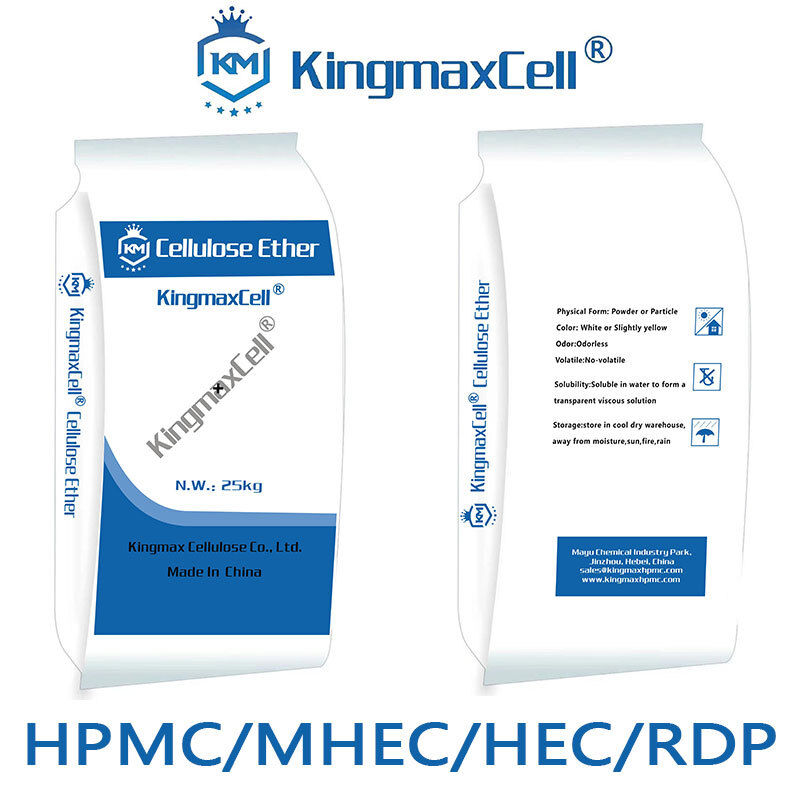
A: Store HEC in a cool, dry, and well-ventilated area at room temperature, away from moisture and direct sunlight, to maintain its quality and shelf life for up to 24 months.Q: Does Hydroxyethyl Cellulose have any toxic or hazardous properties?
A: No, Hydroxyethyl Cellulose is classified as non-poisonous, making it safe for industrial handling and application, provided standard workplace precautions are observed.
Tell us about your requirement

Price:
Quantity
Select Unit
- 50
- 100
- 200
- 250
- 500
- 1000+
Additional detail
Mobile number
Email

More Products in Hydroxy Ethyl Cellulose Category
Direct Wholesale Good Price Methyl Cellulose Wall Putty HEC Chemicals Powder From China Manufacturer
Price 2800.0 USD ($) / Ton
Minimum Order Quantity : 1 Ton
HEC Cellulose for Industrial Use with Good Price and Quality
Price 1300 USD ($) / Ton
Minimum Order Quantity : 1 Ton
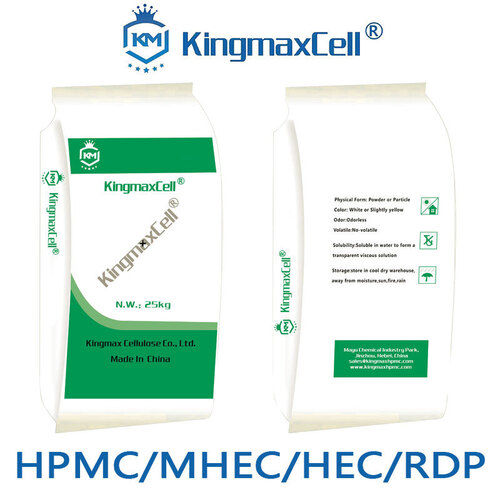
HEC HydroxyEthyl Cellulose for Latex Paint, Drilling and Coating
Price 1300 USD ($) / Ton
Minimum Order Quantity : 1 Ton

KINGMAX CELLULOSE CO.,LTD
Contact Details
- B-1513, Hebei Internet Building, 86 Xisanzhuang Street Xinhua District,Shijiazhuang - 035512, Hebei, China
- Phone :86-311-87779906
- Mr Jeson Shao (Export Manager)
- Mobile :+8615613307831, +8615613308731, +8618631151166
- Send Inquiry
 Send Inquiry
 Send Inquiry
 Call Me Free
KINGMAX CELLULOSE CO.,LTD
All Rights Reserved.(Terms of Use)
Developed and Managed by Infocom Network Private Limited.
Developed and Managed by Infocom Network Private Limited.
