
 English
 Spanish
 French
 German
 Italian
 Chinese (Simplified)
 Japanese
 Korean
 Arabic
 Portuguese
 Request A Quote
 Send Inquiry
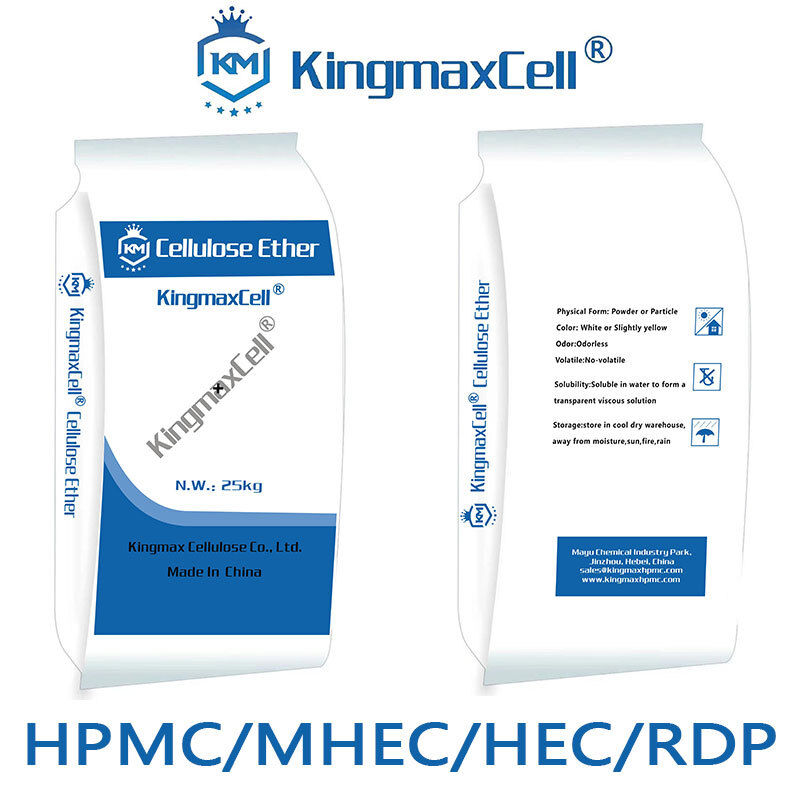
Redispersible Powder Rdp for Tile Adhesive/ Wall Putty/ Coating/ Painting/
Price 1300 USD ($)/ Ton
MOQ : 1ton Ton
Redispersible Powder Rdp for Tile Adhesive/ Wall Putty/ Coating/ Painting/ Specification
- Particle Size
- <80 microns
- Acid Resistance
- Good
- Ph Level
- 5.0 7.0 (2% solution)
- Thickness
- Not applicable (powder form)
- Length
- Not applicable (powder form)
- Operating Temperature
- -10C to 80C (recommended service range)
- Viscosity
- 300 600 mPas (2% solution, 20C)
- Hardness
- Not applicable (powder form)
- EINECS No
- 607-755-7
- Color
- White
- Alkali Resistance
- Excellent
- Molecular Formula
- (C4H6O2)n(C2H4O)m
- Weight
- 25 kg net (typical bag) or as per order
- Moisture Content
- 1.5%
- Chemical Name
- Redispersible Powder Rdp
- Other Names
- RDP, Redispersible Powder, VAE Powder
- CAS No
- 24937-78-8
- Purity
- High
- Appearance
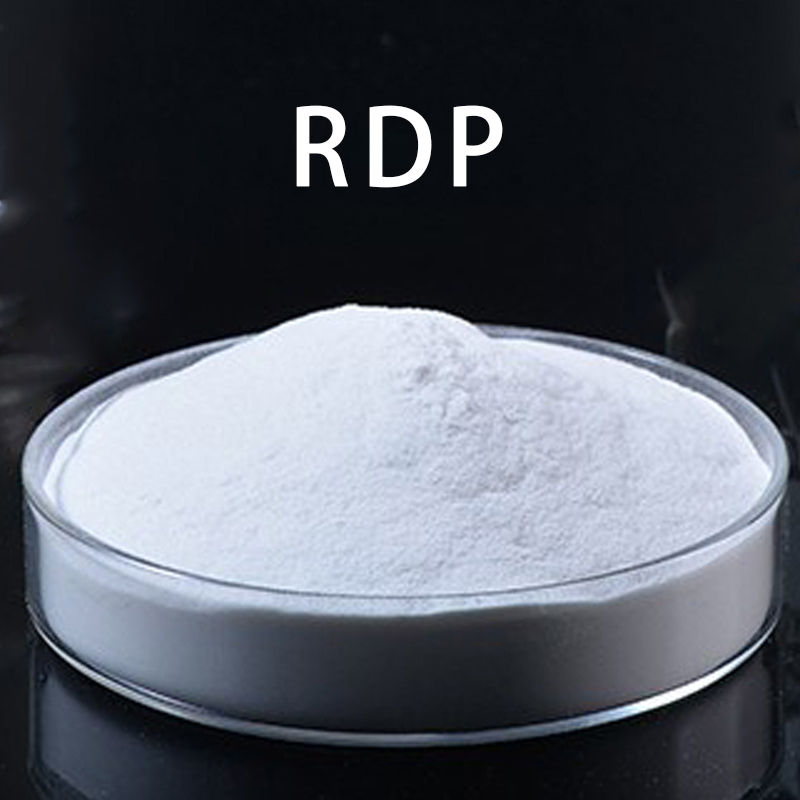
- White Free Flowing Powder
- Physical State
- Powder
- Raw Material
- Polyvinyl Acetate, Ethylene-Vinyl Acetate Copolymer
- Molecular Weight
- Approximately 30,000 100,000 g/mol
- Dissolving Time
- <10 minutes in water
- Insoluble %
- 1.0%
- Ash Content
- 10 14%
- Glass Transition Temperature (Tg)
- +0C to +14C depending on grade
- Compatibility
- Compatible with cement, anhydrite, gypsum-based systems and various fillers
- Recommend Dosage
- 1.5% 5% by weight, depending on application
- Storage
- Store in dry and cool condition, temperature below 30C, avoid direct sunlight
- Advantages
- Improves workability, increases adhesion strength, enhances flexibility and water retention, excellent redispersibility in water
- Bulk Density
- 400 550 kg/m
- Shelf Life
- 12 months in original sealed package
- Recommended Applications
- Tile adhesives, wall putty, external insulation and finish systems (EIFS), coatings, paints, self-leveling compounds, construction mortars
Redispersible Powder Rdp for Tile Adhesive/ Wall Putty/ Coating/ Painting/ Trade Information
- Minimum Order Quantity
- 1ton Ton
- Payment Terms
- Paypal, Cash in Advance (CID), Telegraphic Transfer (T/T), Letter of Credit (L/C)
- Supply Ability
- 35000 Tons Per Year
- Delivery Time
- 10 Days
- Main Domestic Market
- All India
About Redispersible Powder Rdp for Tile Adhesive/ Wall Putty/ Coating/ Painting/
Hydroxyethyl cellulose (HEC) is a non-ionic cellulose ether derived from the introduction of hydroxyethyl into the structure of cellulose through a chemical reaction with ethylene oxide. The degree of substitution (ds) of hydroxyethyl in Hec can vary depending on the desired characteristics of the final product. Hydroxyethyl cellulose (HEC) is a kind of non-ionic water-soluble cellulose ether, used as thickener, protective colloid, water retention agent and rheological modifier, with good water solubility, non-toxic, biodegradable and high compatibility with other components and other ideal properties. It is widely used in a variety of industrial and commercial applications, including personal care products, pharmaceuticals, paints and coatings, building materials, and oil and gas drilling.Enhance Bonding and Flexibility for Construction Applications
RDP improves workability and adhesion strength in construction mortars such as tile adhesives and wall putty. Its excellent water retention and redispersibility make it an essential additive for projects requiring flexibility and durability. With a glass transition temperature between 0C and 14C, it adapts to varied environmental demands, ensuring long-lasting results.
Versatile Compatibility Across Multiple Systems
This redispersible powder demonstrates high compatibility with cement, anhydrite, gypsum-based systems, and an extensive range of fillers. Its use is recommended in external insulation systems, paints, coatings, and self-leveling compounds, making it a versatile option for manufacturers and contractors. The powder's high purity and low insoluble content guarantee consistent mixing results.
Reliable Storage and Easy Handling
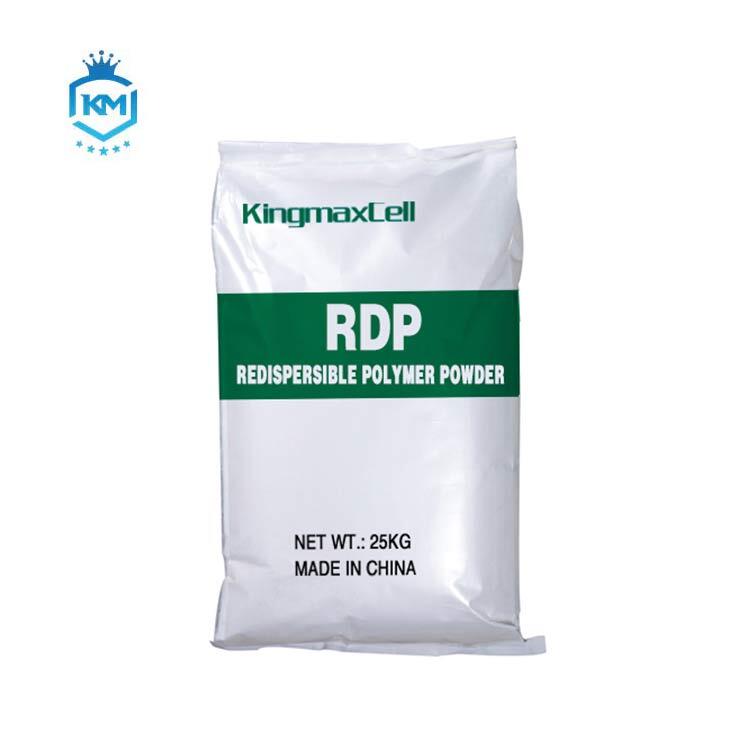
RDP is supplied as a white free-flowing powder with a net weight typically at 25 kg per bag. For best shelf life, store in dry, cool conditions away from direct sunlight and temperatures above 30C. Its rapid dissolution in water and stable chemical properties simplify the preparation and application processes.
FAQ's of Redispersible Powder Rdp for Tile Adhesive/ Wall Putty/ Coating/ Painting/:
Q: How should Redispersible Powder (RDP) be incorporated into tile adhesive or wall putty formulations?
A: RDP should be added as a dry blend at a recommended dosage of 1.5% to 5% by weight, depending on your application needs. Ensure all other dry components are uniformly mixed before gradually adding water to achieve optimum dispersion and performance.Q: What are the main benefits of using RDP in construction mortars and coatings?
A: Redispersible Powder improves adhesion strength and workability, enhances flexibility and water retention, and ensures excellent redispersibility in water. These advantages translate to longer-lasting, more resilient, and easier-to-apply end products in tile adhesives, wall putty, coatings, and similar formulations.Q: When is the ideal time to apply RDP-enhanced construction materials?
A: RDP-based mixtures should be applied within their workable time frame, typically immediately after preparation. Environmental temperatures between -10C and 80C are recommended for optimal performance. Follow local guidelines for job site conditions.Q: Where can RDP be utilized besides tile adhesives and wall putty?
A: Redispersible Powder is ideal for external insulation and finish systems (EIFS), paints, self-leveling compounds, and a variety of construction mortars. Its compatibility with different binder systems increases its suitability for diverse construction and finishing applications.Q: What is the correct process for storing and handling RDP to maintain product quality?
A: Store RDP in its original, sealed packaging in a dry and cool place below 30C, avoiding direct sunlight. Adhering to these guidelines preserves its properties and extends shelf life up to 12 months.Q: Is RDP suitable for both cement-based and gypsum-based formulations?
A: Yes, RDP exhibits excellent compatibility with cement, anhydrite, and gypsum-based binders, as well as with various fillers, ensuring flexibility in formulating a wide range of products.Q: How does RDP contribute to enhanced resistance in construction applications?
A: The powder provides good acid resistance and excellent alkali resistance, improving the durability of finished products exposed to challenging environmental conditions.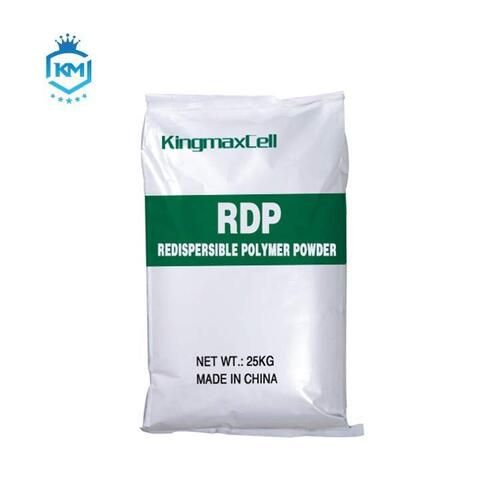
Tell us about your requirement

Price:
Quantity
Select Unit
- 50
- 100
- 200
- 250
- 500
- 1000+
Additional detail
Mobile number
Email

More Products in Redispersible Polymer Powder Category
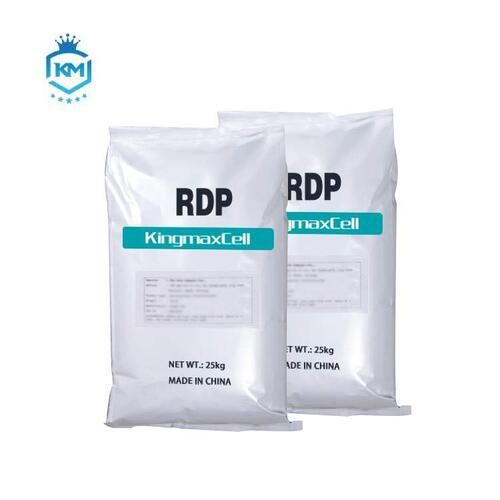
Good Film Formation Redispersible Polymer Powder Vae/Rdp for Water Proof
Price 1300 USD ($) / Ton
Minimum Order Quantity : 1ton Ton
Acid Resistance : Good
Particle Size : 80120 m (typical)
Other Names : RDP
Operating Temperature : 10C to 40C application temperature
Redispersible Polymer Powder Rdp Raw Materials
Price 1300 USD ($) / Ton
Minimum Order Quantity : 1ton Ton
Acid Resistance : Good
Particle Size : 80100 m average
Other Names : RDP, VAE Redispersible Powder
Operating Temperature : 20C to 50C
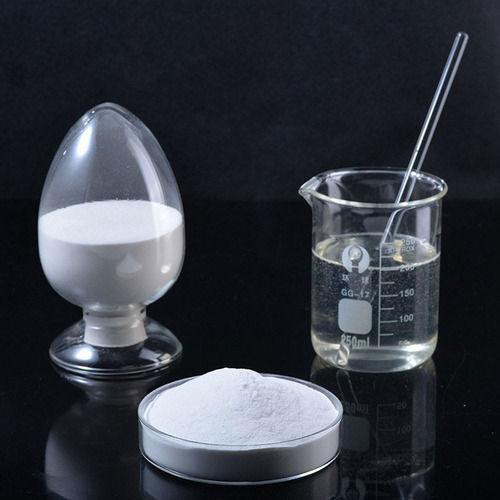
Tile Adhesive of White Redispersible Polymer Powder Vae/Rdp
Price 1300 USD ($) / Ton
Minimum Order Quantity : 1ton Ton
Acid Resistance : Good
Particle Size : 80120 m (average)
Other Names : VAE Emulsion Powder, RDP Powder, Vinyl Acetate Ethylene Copolymer Powder
Operating Temperature : 0C to 40C (Application Range)
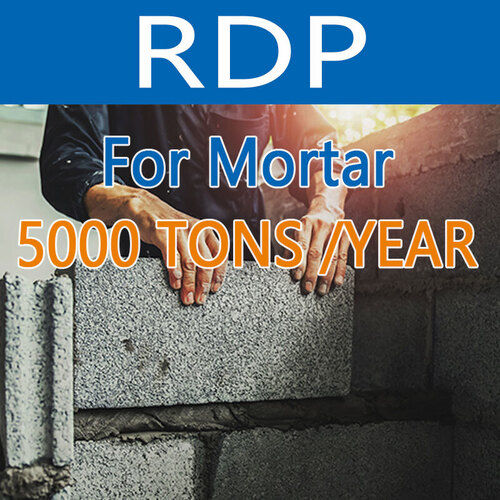
Top Sales Best Quality Additive Re-Dispersible Polymer Powder Rdp
Price 1300 USD ($) / Ton
Minimum Order Quantity : 1ton Ton
Acid Resistance : Good
Particle Size : 80 m
Other Names : RDP
Operating Temperature : 20C to 60C

KINGMAX CELLULOSE CO.,LTD
Contact Details
- B-1513, Hebei Internet Building, 86 Xisanzhuang Street Xinhua District,Shijiazhuang - 035512, Hebei, China
- Phone :86-311-87779906
- Mr Jeson Shao (Export Manager)
- Mobile :+8615613307831, +8615613308731, +8618631151166
- Send Inquiry
 Send Inquiry
 Send Inquiry
 Call Me Free
KINGMAX CELLULOSE CO.,LTD
All Rights Reserved.(Terms of Use)
Developed and Managed by Infocom Network Private Limited.
Developed and Managed by Infocom Network Private Limited.
