
 English
 Spanish
 French
 German
 Italian
 Chinese (Simplified)
 Japanese
 Korean
 Arabic
 Portuguese
 Request A Quote
 Send Inquiry
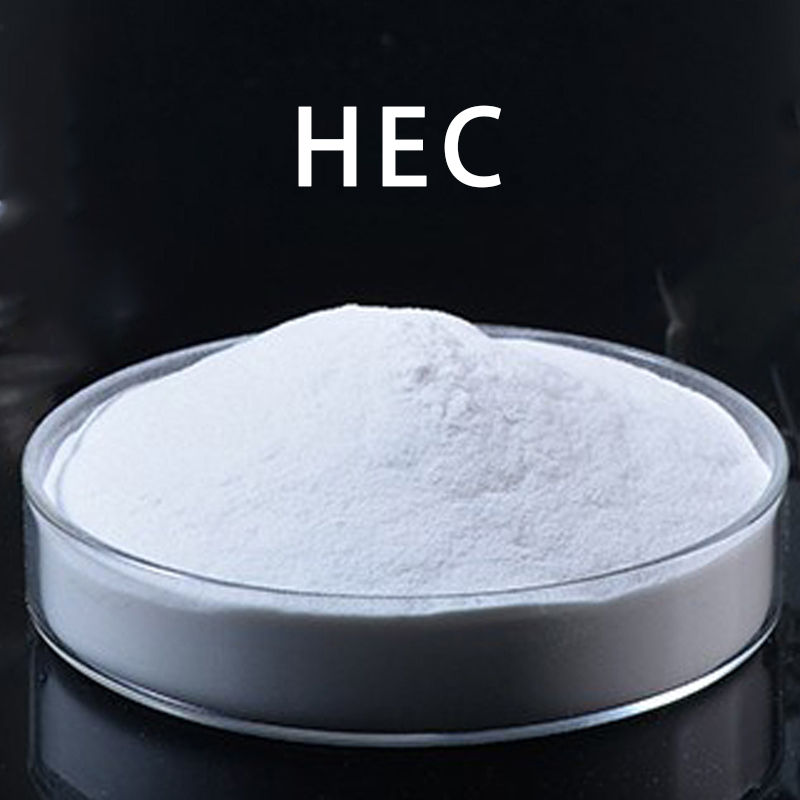
HEC as Fluid Loss Agent for Paint and Drilling
Price 1300 USD ($)/ Ton
MOQ : 1 Ton
HEC as Fluid Loss Agent for Paint and Drilling Trade Information
- Minimum Order Quantity
- 1 Ton
- Supply Ability
- 35000 Tons Per Year
- Delivery Time
- 10 Days
- Main Domestic Market
- All India
About HEC as Fluid Loss Agent for Paint and Drilling
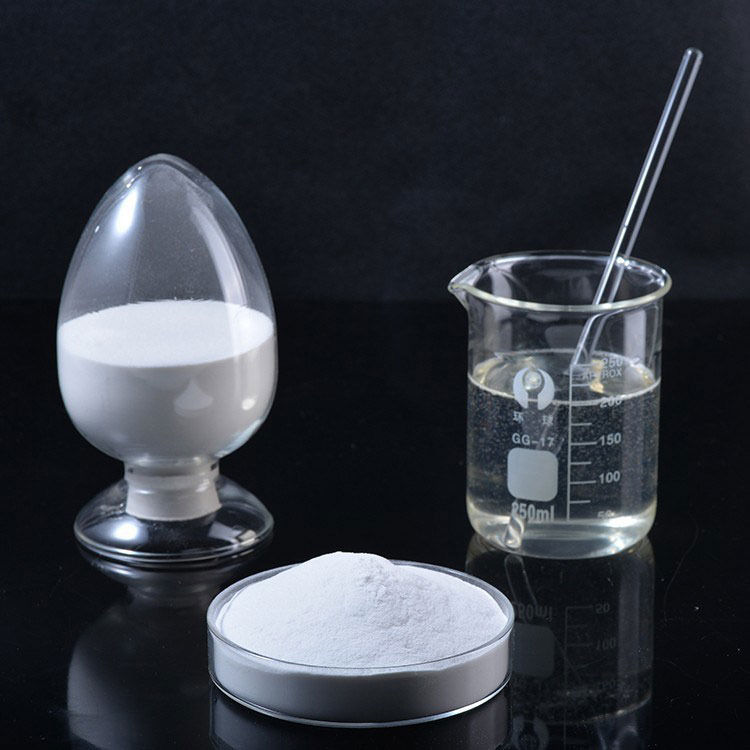
Hydroxyethyl cellulose (HEC) is a non-ionic cellulose ether derived from the introduction of hydroxyethyl into the structure of cellulose through a chemical reaction with ethylene oxide. The degree of substitution (ds) of hydroxyethyl in Hec can vary depending on the desired characteristics of the final product. Hydroxyethyl cellulose (HEC) is a kind of non-ionic water-soluble cellulose ether, used as thickener, protective colloid, water retention agent and rheological modifier, with good water solubility, non-toxic, biodegradable and high compatibility with other components and other ideal properties. It is widely used in a variety of industrial and commercial applications, including personal care products, pharmaceuticals, paints and coatings, building materials, and oil and gas drilling.Optimized Fluid Loss Control for Paint and Drilling
HEC acts as a reliable fluid loss agent, controlling viscosity and reducing fluid loss in both paint and drilling operations. Its high purity and stable formulation make it ideal for demanding industrial environments, ensuring enhanced process stability and finished product quality.
Stable Shelf Life and Storage
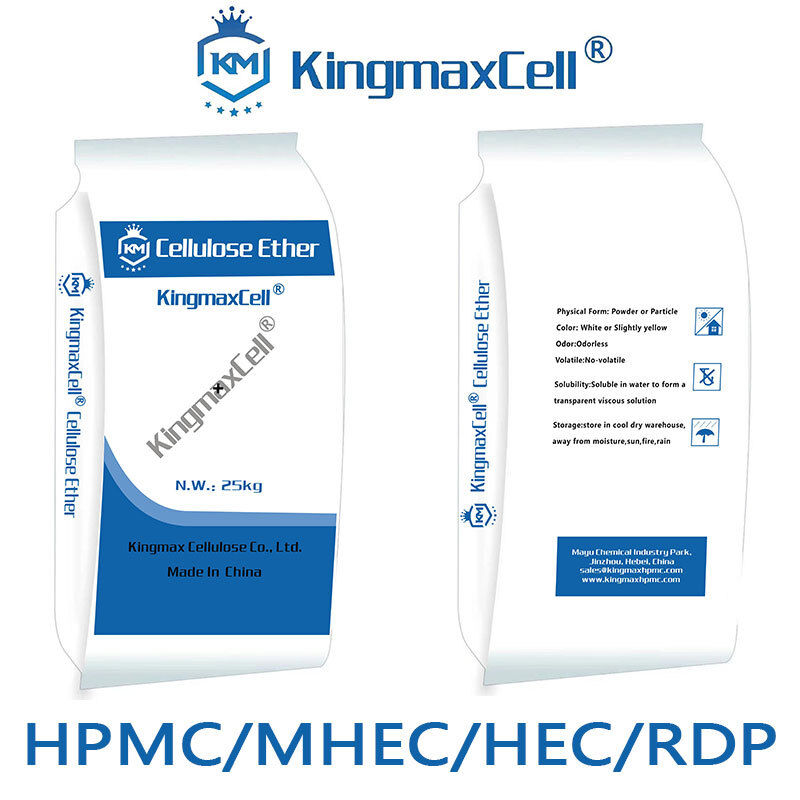
This HEC powder retains its properties for up to 24 months when kept at room temperature, thanks to its refined composition from purified cotton. Proper storage ensures consistent performance throughout its shelf life, minimizing any risk of degradation or contamination.
FAQ's of HEC as Fluid Loss Agent for Paint and Drilling:
Q: How is HEC used as a fluid loss agent in paint and drilling applications?
A: HEC is incorporated into paint and drilling formulations to manage fluid loss and improve viscosity control. In drilling, it helps maintain borehole stability by reducing fluid migration, while in paint, it enhances thickness and uniformity.Q: What are the primary benefits of using HEC with high purity and non-poisonous ingredients?
A: Using high purity, non-poisonous HEC ensures safer handling, reduced risk of contamination, and superior performance in industrial applications. It also minimizes impacts on the environment and ensures user safety.Q: When should HEC be stored to maximize shelf life, and what are the storage recommendations?
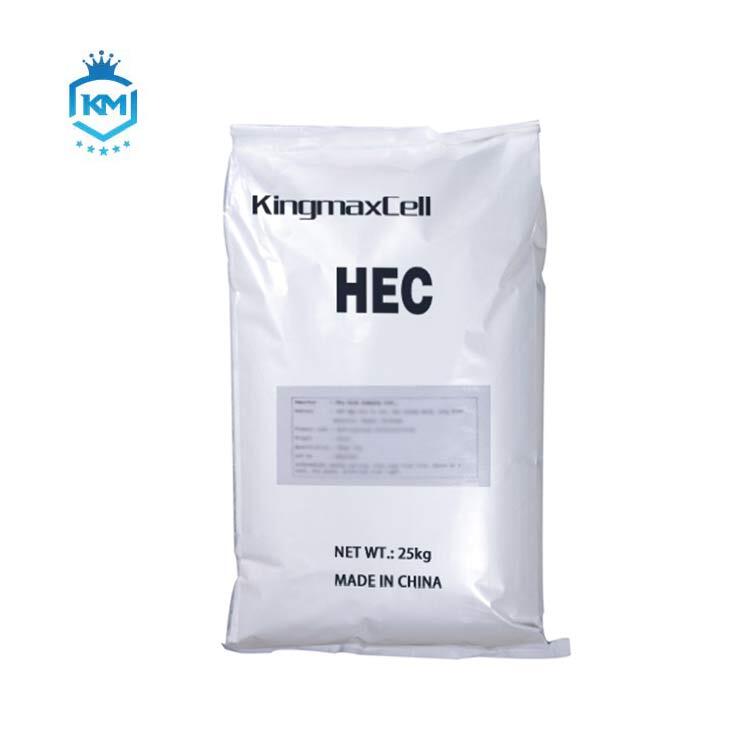
A: HEC should be stored in its original packaging at room temperature, away from moisture and direct sunlight. Proper storage maximizes its 24-month shelf life and preserves its performance character.Q: Where is this HEC product distributed and manufactured?
A: This HEC is manufactured, distributed, exported, and supplied by established companies in China. It is available for export to various global markets and serves the needs of international industries.Q: What is the process for incorporating HEC into industrial formulas?
A: To use HEC, first disperse the powder into water or other solvents under agitation until fully dissolved. This ensures optimal viscosity development and uniform fluid loss control in both paints and drilling fluids.Q: What are the typical usage levels for HEC in industrial applications?
A: The exact dosage depends on the specific application and desired viscosity but generally ranges from 0.1% to 2% by weight of the total formulation, as determined by testing and product requirements.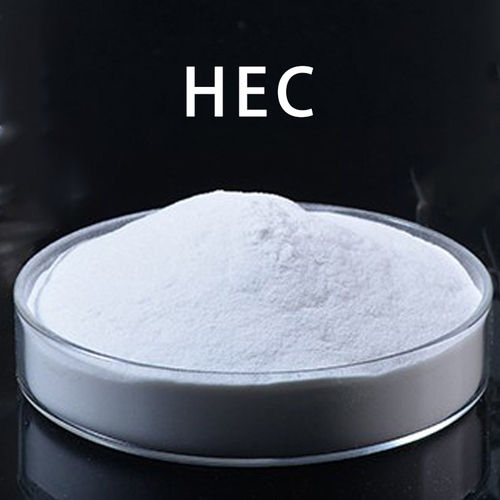
Tell us about your requirement

Price:
Quantity
Select Unit
- 50
- 100
- 200
- 250
- 500
- 1000+
Additional detail
Mobile number
Email

More Products in Hydroxy Ethyl Cellulose Category

Hydroxyethyl Cellulose (HEC) as Paint Additives
Price 1300 USD ($) / Ton
Minimum Order Quantity : 1ton Ton
Grade : First Class
CAS No : 9004620
HS Code : 39123900
Purity : High

HEC as Fluid Loss Agent HydroxyEthyl Cellulose
Price 1300 USD ($) / Ton
Minimum Order Quantity : 1 Ton
Grade : First Class
CAS No : 9004620
HS Code : 39123900
Purity : High
HEC HydroxyEthyl Cellulose for Latex Paint, Drilling and Coating
Price 1300 USD ($) / Ton
Minimum Order Quantity : 1 Ton
Grade : First Class
CAS No : 9004620
HS Code : 39123900
Purity : High

Emulsion Paint Latex Paint Agent HEC
Price 1300 USD ($) / Ton
Minimum Order Quantity : 1 Ton
Grade : First Class
CAS No : 9004620
HS Code : 39123900
Purity : High

KINGMAX CELLULOSE CO.,LTD
Contact Details
- B-1513, Hebei Internet Building, 86 Xisanzhuang Street Xinhua District,Shijiazhuang - 035512, Hebei, China
- Phone :86-311-87779906
- Mr Jeson Shao (Export Manager)
- Mobile :+8615613307831, +8615613308731, +8618631151166
- Send Inquiry
 Send Inquiry
 Send Inquiry
KINGMAX CELLULOSE CO.,LTD
All Rights Reserved.(Terms of Use)
Developed and Managed by Infocom Network Private Limited.
Developed and Managed by Infocom Network Private Limited.
