
 English
 Spanish
 French
 German
 Italian
 Chinese (Simplified)
 Japanese
 Korean
 Arabic
 Portuguese
 Request A Quote
 Send Inquiry
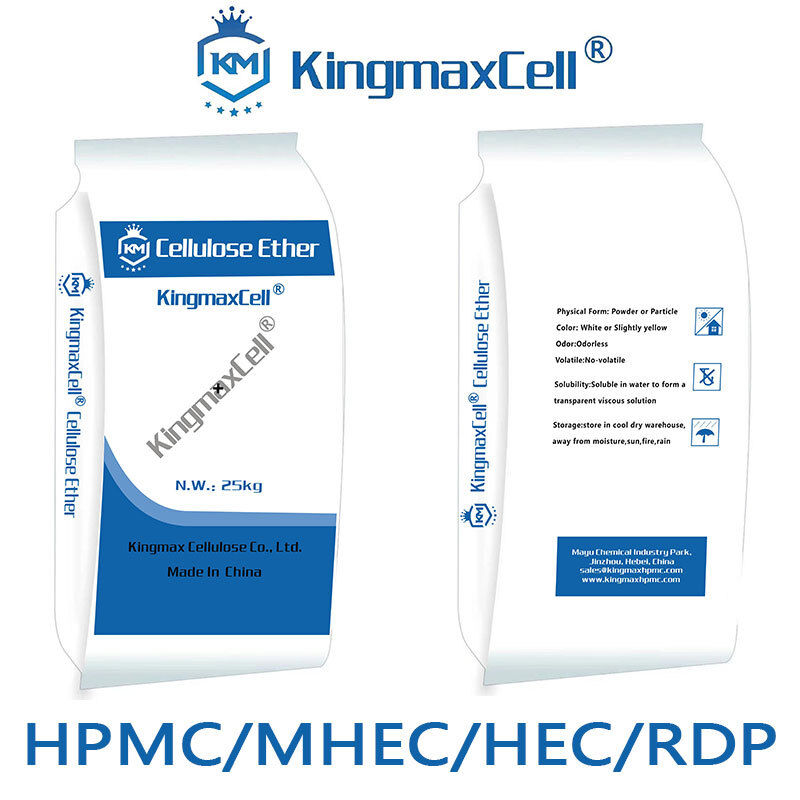
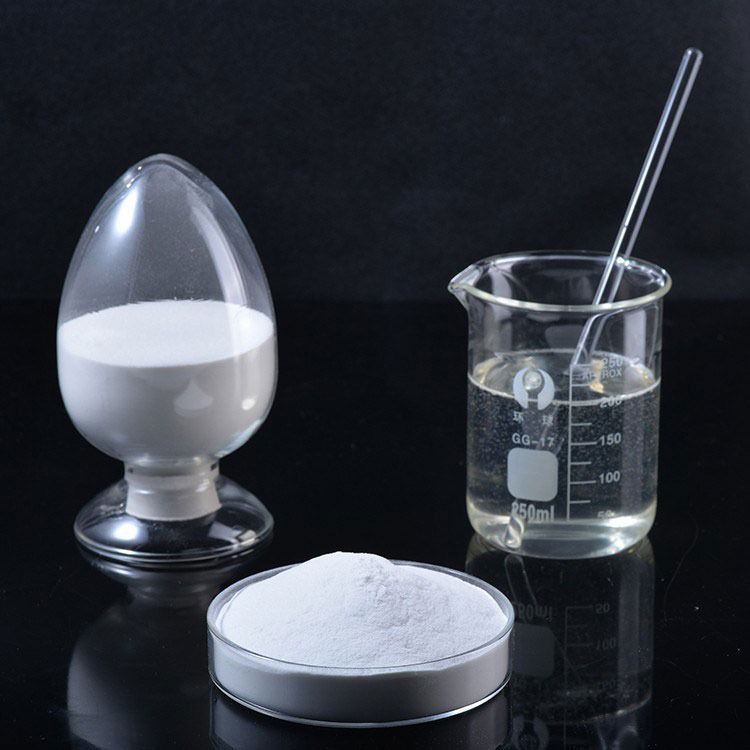
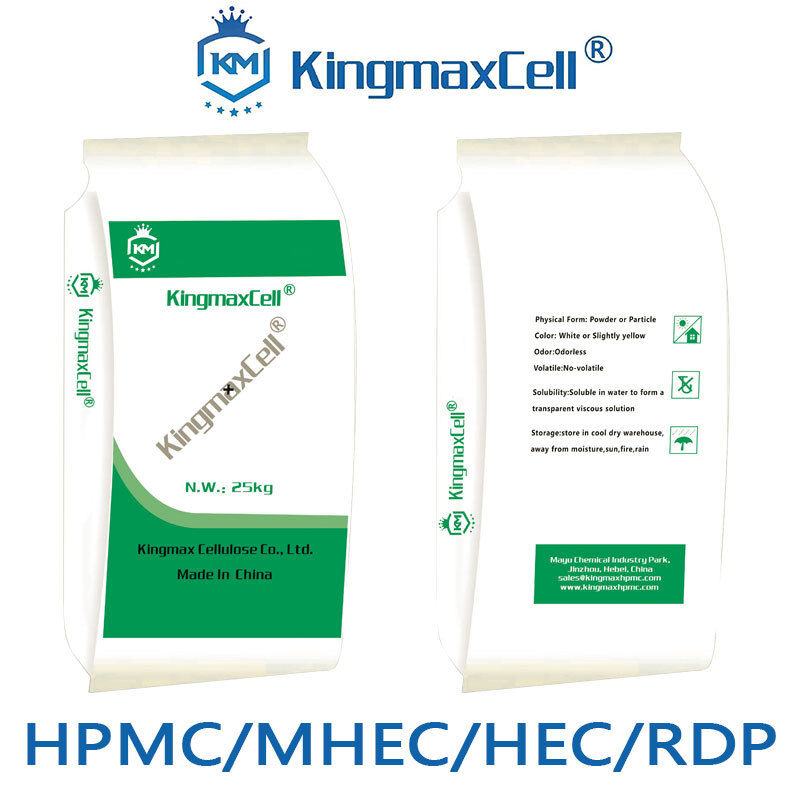
HEC as Fluid Loss Agent HydroxyEthyl Cellulose
Price 1300 USD ($)/ Ton
MOQ : 1 Ton
HEC as Fluid Loss Agent HydroxyEthyl Cellulose Trade Information
- Minimum Order Quantity
- 1 Ton
- Supply Ability
- 35000 Tons Per Month
- Delivery Time
- 10 Days
- Main Domestic Market
- All India
About HEC as Fluid Loss Agent HydroxyEthyl Cellulose
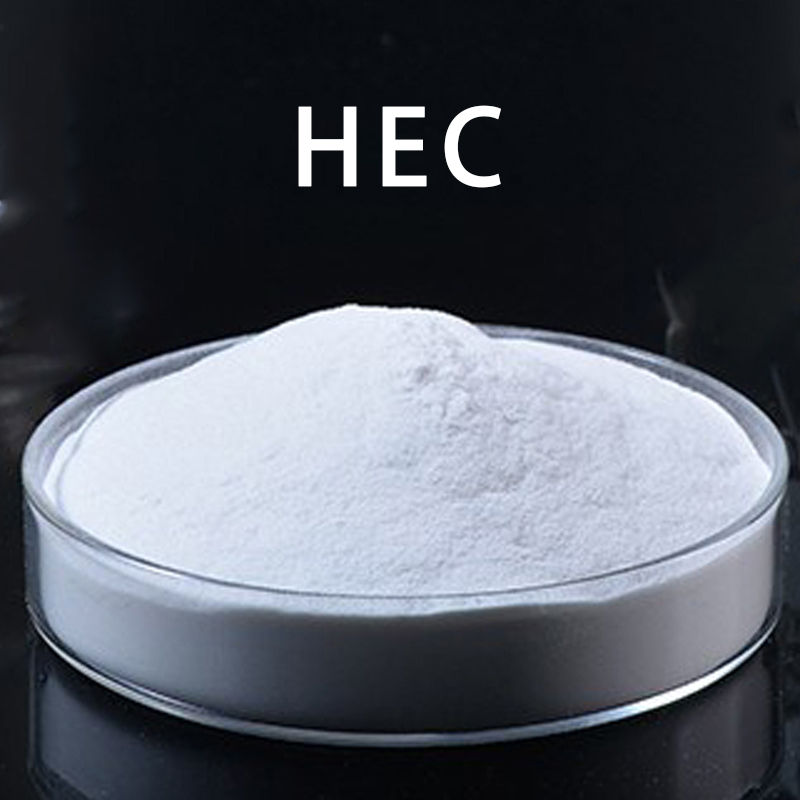
Hydroxyethyl cellulose (HEC) is a non-ionic cellulose ether derived from the introduction of hydroxyethyl into the structure of cellulose through a chemical reaction with ethylene oxide. The degree of substitution (ds) of hydroxyethyl in Hec can vary depending on the desired characteristics of the final product. Hydroxyethyl cellulose (HEC) is a kind of non-ionic water-soluble cellulose ether, used as thickener, protective colloid, water retention agent and rheological modifier, with good water solubility, non-toxic, biodegradable and high compatibility with other components and other ideal properties. It is widely used in a variety of industrial and commercial applications, including personal care products, pharmaceuticals, paints and coatings, building materials, and oil and gas drilling.Exceptional Performance as a Fluid Loss Agent
HydroxyEthyl Cellulose stands out in the industry for its unparalleled efficiency in controlling fluid loss in diverse industrial processes. Manufactured using purified cotton, it boasts high purity and superior performance, making it a preferred choice for demanding operations. Its powder form ensures easy dispersion and consistent quality during application.
Quality, Purity, and Reliable Shelf Life
HEC is produced in strict adherence to quality standards, categorized as First Class grade. With a pH of 5.0-8.0, this high-purity product is stable at room temperature and can be stored for up to 24 months, providing reliability and long-term usability for bulk industrial consumers.
FAQ's of HEC as Fluid Loss Agent HydroxyEthyl Cellulose:
Q: How is HydroxyEthyl Cellulose used as a fluid loss agent in industrial applications?
A: In industrial settings, HydroxyEthyl Cellulose is incorporated into fluid systems, such as drilling muds or cement slurries, to control fluid loss. Its high viscosity and water-retaining properties create a protective barrier, reducing permeability and preventing excessive fluid seepage.Q: What benefits does HydroxyEthyl Cellulose provide in industrial processes?
A: HEC offers excellent fluid loss control, enhances viscosity, and forms stable gels. It is non-poisonous and compatible with a wide pH range (5.0-8.0), ensuring safety and adaptability. Its high purity makes it suitable for sensitive operations requiring consistent results.Q: Where should HydroxyEthyl Cellulose be stored for optimal shelf life?
A: To maintain its stability and performance, HydroxyEthyl Cellulose should be stored at room temperature in a dry, sealed container. Under proper storage conditions, it retains its quality and effectiveness for up to 24 months.Q: What is the manufacturing process of HEC using purified cotton?
A: HEC is produced by chemically modifying purified cotton through the etherification of cellulose. This involves introducing hydroxyethyl groups resulting in a water-soluble polymer that possesses desirable thickening and stabilizing properties.Q: When is the optimal time to use HydroxyEthyl Cellulose in industrial operations?
A: HEC should be added during fluid preparation or mixing stages when controlling fluid loss and improving viscosity are most critical, such as during drilling, cementing, or other fluid management processes.Q: Is HydroxyEthyl Cellulose safe for industrial use?
A: Yes, this product is non-poisonous and safe for industrial applications when handled according to recommended procedures, making it suitable for environments where workplace safety is a priority.Q: Who are the main distributors and exporters of HydroxyEthyl Cellulose?
A: HydroxyEthyl Cellulose is widely distributed, exported, and supplied by reputable manufacturers, suppliers, and traders headquartered in China, ensuring consistent global availability.
Tell us about your requirement

Price:
Quantity
Select Unit
- 50
- 100
- 200
- 250
- 500
- 1000+
Additional detail
Mobile number
Email

More Products in Hydroxy Ethyl Cellulose Category

HEC for Tile Adhesive Construction Additive HEC Chemical Suppliers
Price 1300 USD ($) / Ton
Minimum Order Quantity : 1 Ton
Grade : First Class
CAS No : 9004620
Physical Form : Powder
Storage : Room Temperature
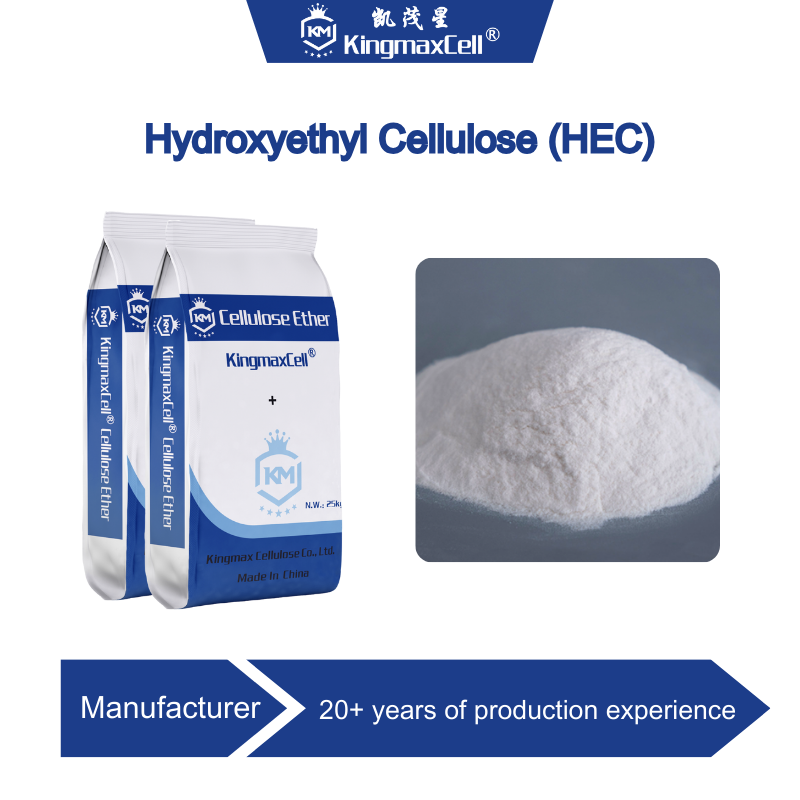
Hydroxyethyl Cellulose Powder Best Price HEC Replace Natrosol 250hhbr
Price 1300.0 USD ($) / Ton
Minimum Order Quantity : 1 Ton
Grade : First Class
CAS No : 9004620
Physical Form : Powder
Storage : Room Temperature
HEC as Fluid Loss Agent for Paint and Drilling
Price 1300 USD ($) / Ton
Minimum Order Quantity : 1 Ton
Grade : First Class
CAS No : 9004620
Physical Form : Powder
Storage : Room Temperature
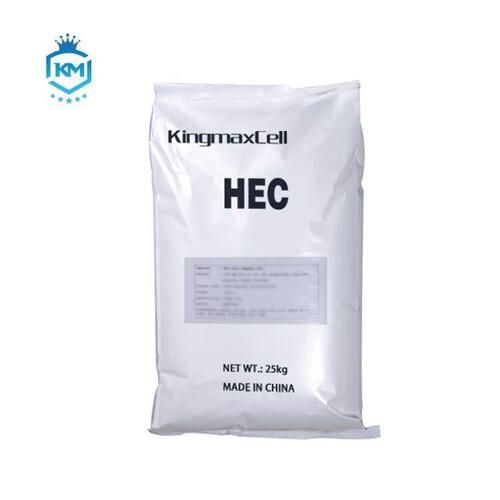
Paint and Drilling Used HEC HydroxyEthyl Cellulose Top Grade
Price 1300 USD ($) / Ton
Minimum Order Quantity : 1 Ton
Grade : First Class
CAS No : 9004620
Physical Form : Powder
Storage : Room Temperature

KINGMAX CELLULOSE CO.,LTD
Contact Details
- B-1513, Hebei Internet Building, 86 Xisanzhuang Street Xinhua District,Shijiazhuang - 035512, Hebei, China
- Phone :86-311-87779906
- Mr Jeson Shao (Export Manager)
- Mobile :+8615613307831, +8615613308731, +8618631151166
- Send Inquiry
 Send Inquiry
 Send Inquiry
KINGMAX CELLULOSE CO.,LTD
All Rights Reserved.(Terms of Use)
Developed and Managed by Infocom Network Private Limited.
Developed and Managed by Infocom Network Private Limited.
